


Whether in epic quests or solemn court intrigues, swords have long captivated cinematic audiences. Codices await in metal, parchment, or memory, and enthusiasts gravitate not only toward the narratives the blades portray, but also toward the substance that forged their myth. This article surveys the Top 5 most iconic swords in movies and TV enduring screen swords and revisits the tangible, oft-enigmatic heritage that continues to shape their screen depictions.
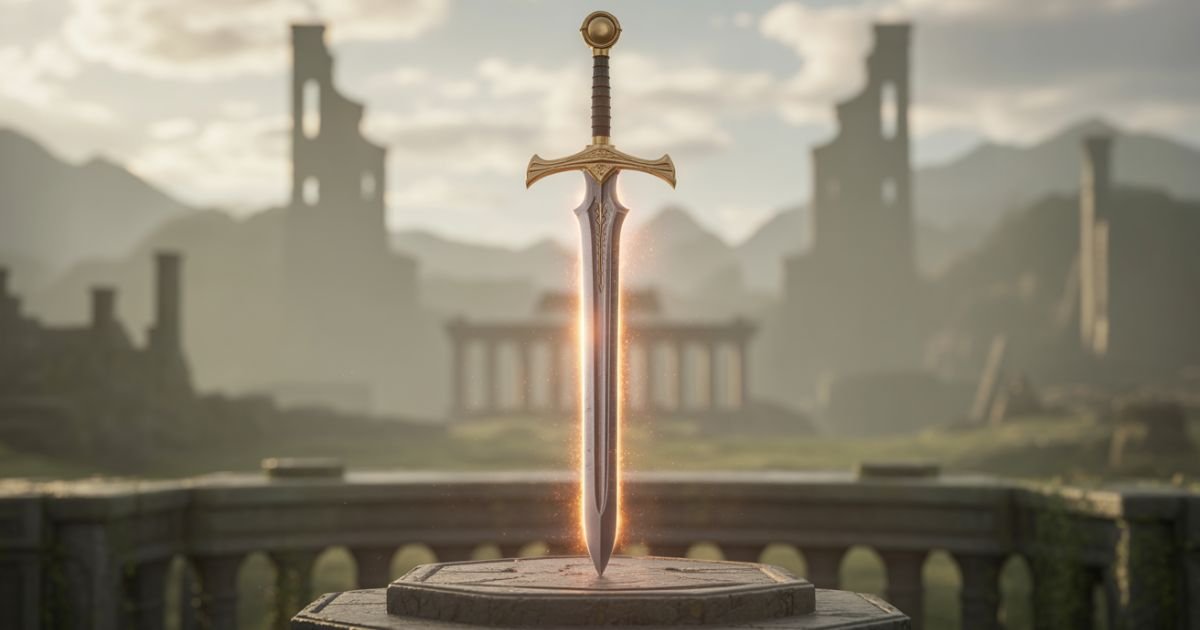
Excalibur inevitably crowns any chronicle of blade-wielders. Across adaptations, the sword transcends mere metal, eliciting themes of fateful sovereignty, moral breadth, and the perennial struggle of the chivalric ideal.
Real-Life Inspiration: Though origin tales diverge, Excalibur’s cast derives from early medieval and insular sword forms. Every polished example on the fiends of England speaks to the powerful dictate that ragged noble entitlements once granted to the strengths of such artifacts.
Andúril, forged anew from the splinters of Narsil, accompanies Aragorn in Jackson’s Rings trilogy. Denominated the ‘‘Flame of the West’’ within the diegesis, the adamant blade crystallizes waning resistance and rekindles kingdom-less hopes across Eriador.
Real-Life Inspiration: The cinematic manufacturing of Andúril marries aesthetic, scientific, and symbolic parameters observed in 14th to 15th century longsword blade. Themes of extended grip, Northern iron cooling and tempering cycles, and decorously hilt blades coalesce, endowing the screen relic with the exalted authority accorded swords of both combat and coronation.
Materializing only for the most urgent of calls, the Sword of Gryffindor stands among the most iconic enchanted arms in the Harry Potter universe.
Historical Antecedents: The sword mirrors the decorative rapier and small sword of Renaisance courts, jewels set in plates of gold and guards of ivory, meticulously molded for royal patronage.
Across each grisly tableau in The Walking Dead, Michonne’s katana registered as the definitive signature of the frontier’s last guardian. Its lacquered edge and her ruthless choreography branded the heroine in memory.
Historical Antecedents: In Japan, the katana formed the heart of the samurai tradition; its convex blade of folded steel married the line of beauty to the law of survival, embodying both the Samurai Code and a warrior’s aufē, virtue.
House Stark’s colossi steel, sworn to decorum and frost, registered early in Game of Thrones as the first oath of iron and icy solemn majesty. Guest, sword, and oath in the same breath.
Historical Antecedents: Ice’s geology of demure steel forged into a vault of brutal magnitude recalls the zweihander of the Hapsburg and Comtist melee, blade and neck forging a diplomacy of brute endurance in the cataclysm of velding ceremonies.
When featured in film and television, swords become vessels of narrative gravity, channeling ideals of bravery, integrity, and mythic ambition. Scripted past told through polished steel, their arcs in composition—be it drawn in a torch-lit hall, sheathed in a whispered covenant, or ignited by the impossible—carry cultural memory and personal aspiration alike. Crafted from our oldest legends, shaped by museum forgers, or born of a designer’s imagination, these edges tether watchers to centuries of significance, and their digital and tangible cousins have come to form a primary fetish-object of contemporary fandom.
The allure of swords in movies and TV only intensifies, drawing both connoisseurs and casual viewers to the mythic lineage they represent. For the collector eager to integrate a shard of such narrative legacy—be it a glimmering reproduction of a lost dream or a freshly invented artifact—our curated anthology at Mythic Swords offers entry into the locus of that enchantment. Each offering, authenticated and lovingly valanced, invites guardianship in a contemporary time: one through which such courage still gleams, waiting to be refashioned in breath and legend.
No account yet?
Create an Account